Finale event

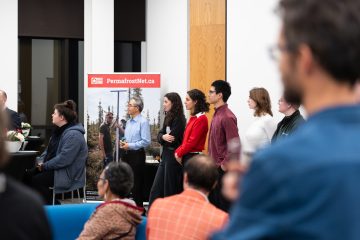
On the 18th of November 2025, NSERC PermafrostNet concluded its transformative six-year journey with a celebration at Carleton University’s Advanced Research and Innovation in Smart Environments (ARISE) Building in Ottawa, bringing together researchers, community members, partners and supporting organizations.

The finale marked a significant moment in Canadian research with the end of the first strategic national partnership to address thawing permafrost.

The evening began with welcomes and introductions from Elham Gharji, the NSERC CREATE LEAP Program Coordinator, followed by presentations from Janet King (PermafrostNet Board Chair), Rafik Goubran (VP Research & International at Carleton University), and Tristan MacLean (Director of Operations), who shared perspectives on the network’s accomplishments, institutional support, and quantified impact.

PermafrostNet’s strength lay in its collaborative structure, with 16 professors, 45 graduate students and post-doctoral fellows, 40+ partner organizations, and 200+ active network members spanning government, Indigenous communities, and industry.

The evening highlighted extraordinary achievements across multiple dimensions. The network trained over 60 people, many of whom now conduct permafrost research within government, academia, or industry. Scientific outputs include over 70 publications, 100+ conference presentations, and the development of critical data products. This included compiling geotechnical records representing approximately 60,000 measurements, and generating new ground ice estimates from these data using the Canadian Permafrost Index Properties (C-PIP database).  The network’s climate modeling work enhanced the CLASSIC system to incorporate carbon cycling in permafrost-affected soils, implement a feather moss plant functional type, parametize plant hydraulics, and assessed the biogeochemical cycles of soil nutrients following wildfires in permafrost terrain.

In addition to the scientific accomplishments, the finale reception was an opportunity to recognize the capabilities developed, the relationships established, and new initiatives the network has catalysed.

After an intermission featuring networking and refreshments, the evening continued with Ramona Pearson providing an inspiring talk about Scotty Creek Research Station, followed by Olivia Meier-Legault reflecting on the student experience and training legacy, and Stephan Gruber, the Scientific Director, concluding the evening with remarks on the network’s vision and future directions.

As the network concludes, its legacy persists through continued initiatives like CREATE LEAP, PermaRail and through the next generation of permafrost researchers shaped by this collaborative vision. The finale marks not an ending, but a transition. The knowledge, relationships, and capabilities built through NSERC PermafrostNet will continue to serve Canada’s North, inform climate adaptation strategies, and inspire the next generation of permafrost researchers.

By Tristan MacLean, ago

GeoManitoba 2025

78th Annual CGS Conference & 9th Canadian Permafrost Conference
September 21 – 24, 2025 

This Fall NSERC PermafrostNet attended GeoManitoba2025 at the RBC Convention Centre in Winnipeg, with an exhibitor booth, presentations and the launch of the Network Research Summaries.
The conference started on Monday with Canadian Permafrost Association case studies featuring a “Preliminary Assessment of the Flood Risk Potential Along the Hudson Bay Railway with Consideration of Climate Change Effects” by Adeleh Zafranchi Zadeh Moqadam, followed in the afternoon by Scientific Director, Stephan Gruber, talking about “Permafrost simulations can more effectively support adaptation decisions when they are contextualized, localized, reliable, and informed by uncertainty analyses“.
The afternoon also featured the culmination of the network’s Theme 5 with a panel session “Experiences in adapting to permafrost change.” featuring former network student Astrid Schetselaar.

The conference saw the launch of the Glossary of Permafrost Science and Engineering at a special lunch on Tuesday the 23rd of September.

The Tuesday afternoon highlights were the talks in the Geomorphology section by network members, Tabatha Rahman on “Late Holocene ice-wedge development in the Barrens of northern Manitoba“, and Zhina Rezvani’s research into the “Effect of the peat layer on the ground thermal regime along the Hudson Bay Railway“.

By Tristan MacLean, ago
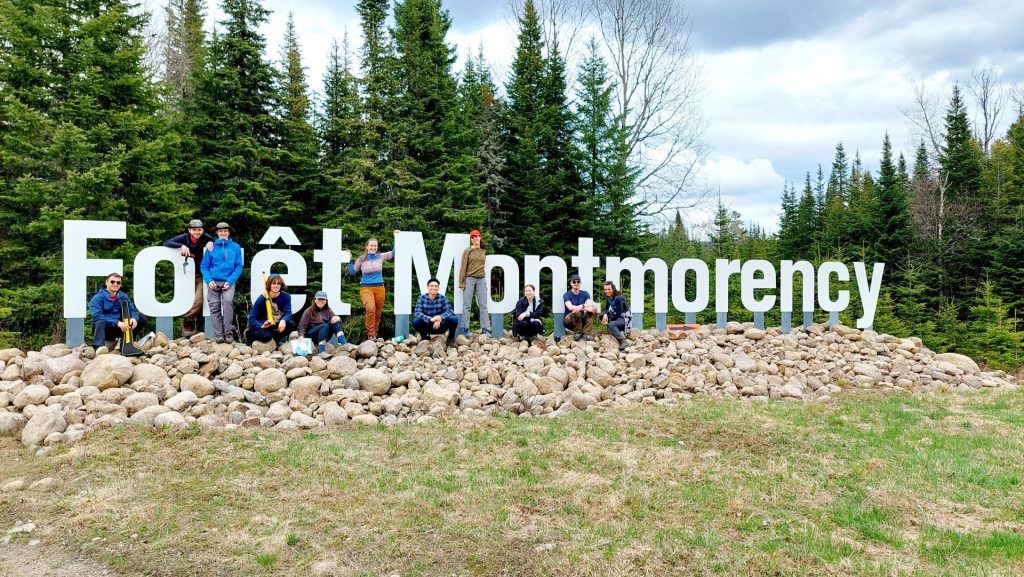
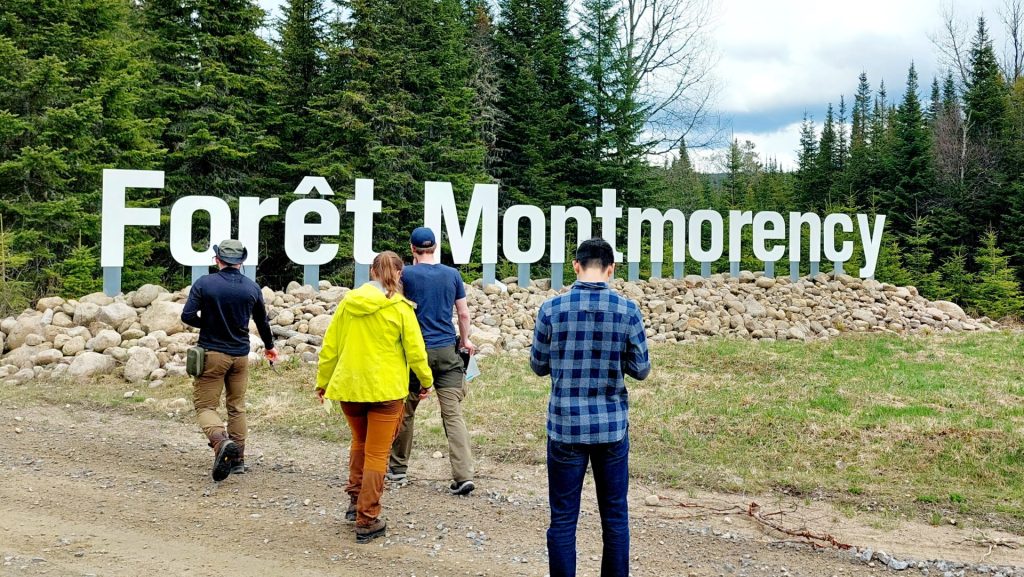
A group of people pose on rocks in front of a large white Forêt Montmorency sign, surrounded by green trees and cloudy skies in a forested area.

Field work training at Foret Montmorency

A group of people pose on rocks in front of a large white Forêt Montmorency sign, surrounded by green trees and cloudy skies in a forested area.

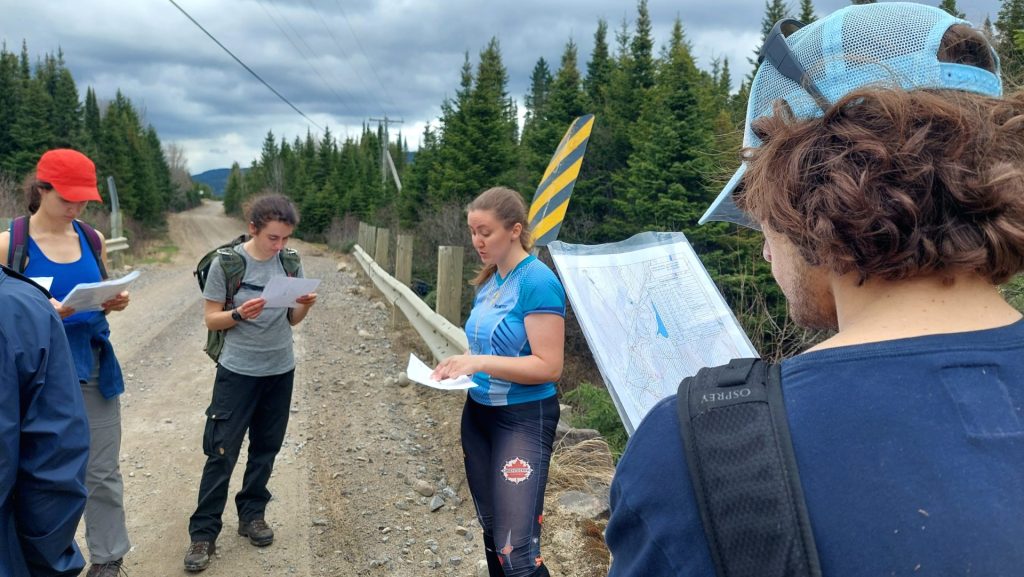
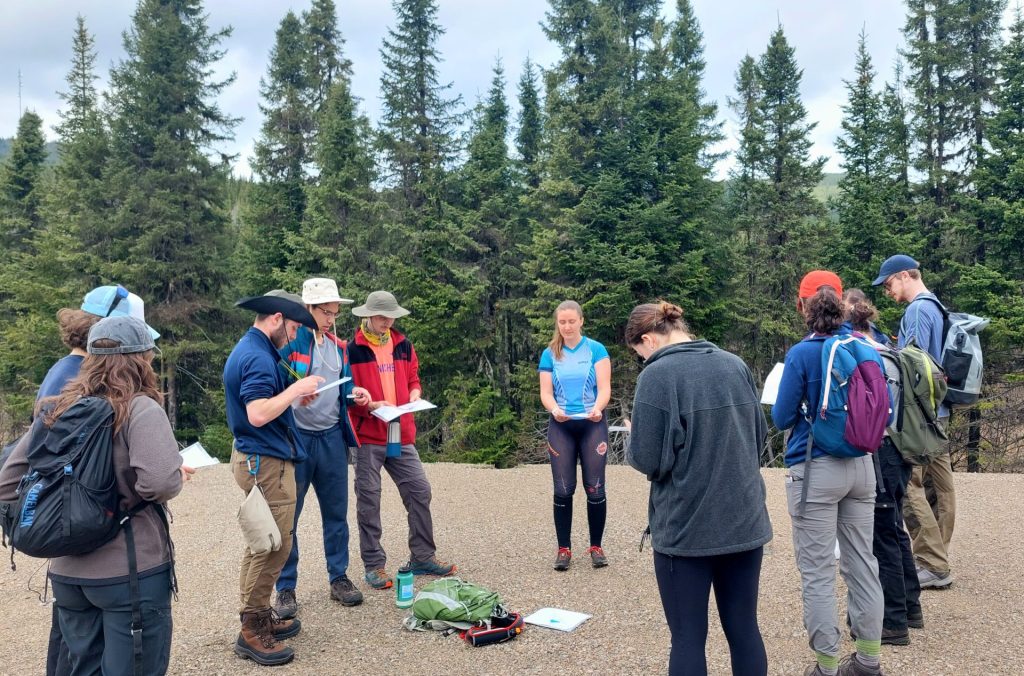
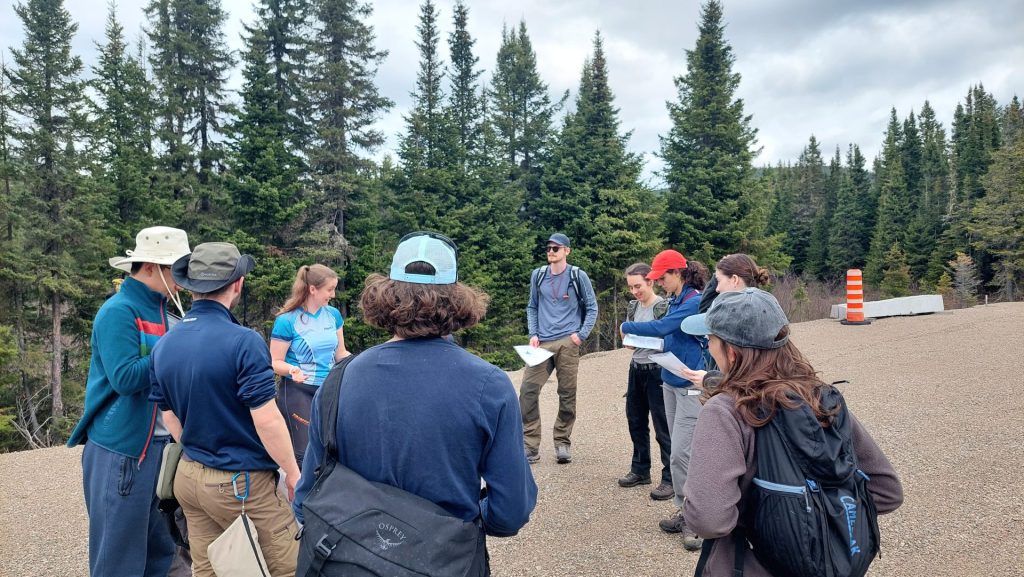
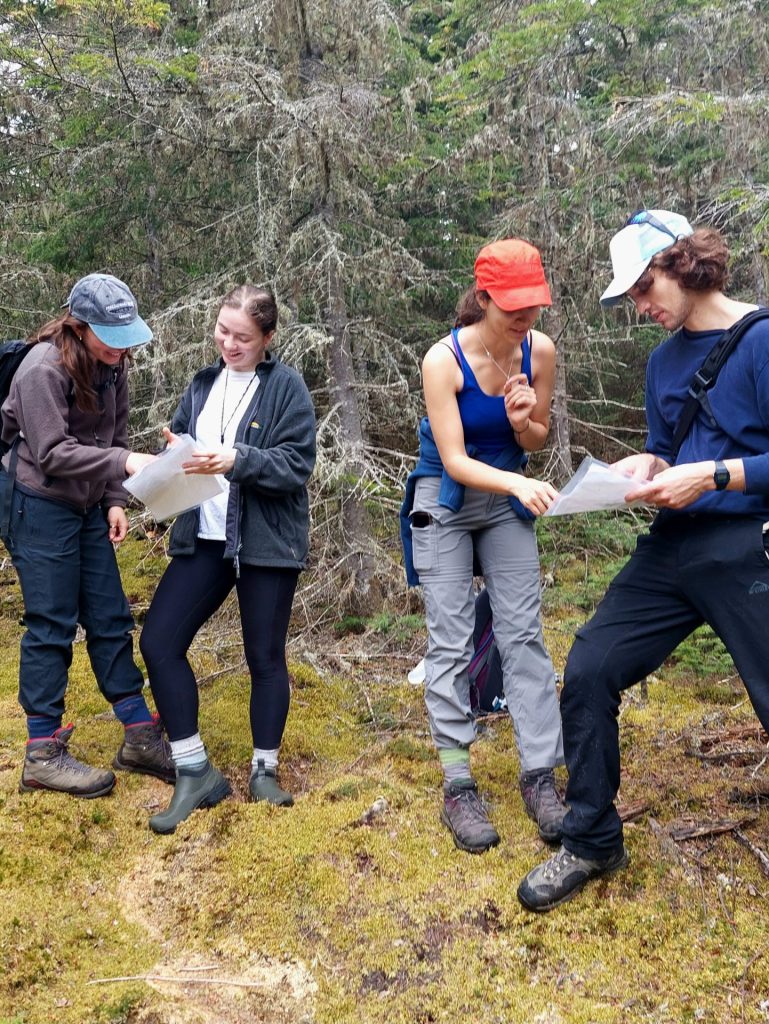
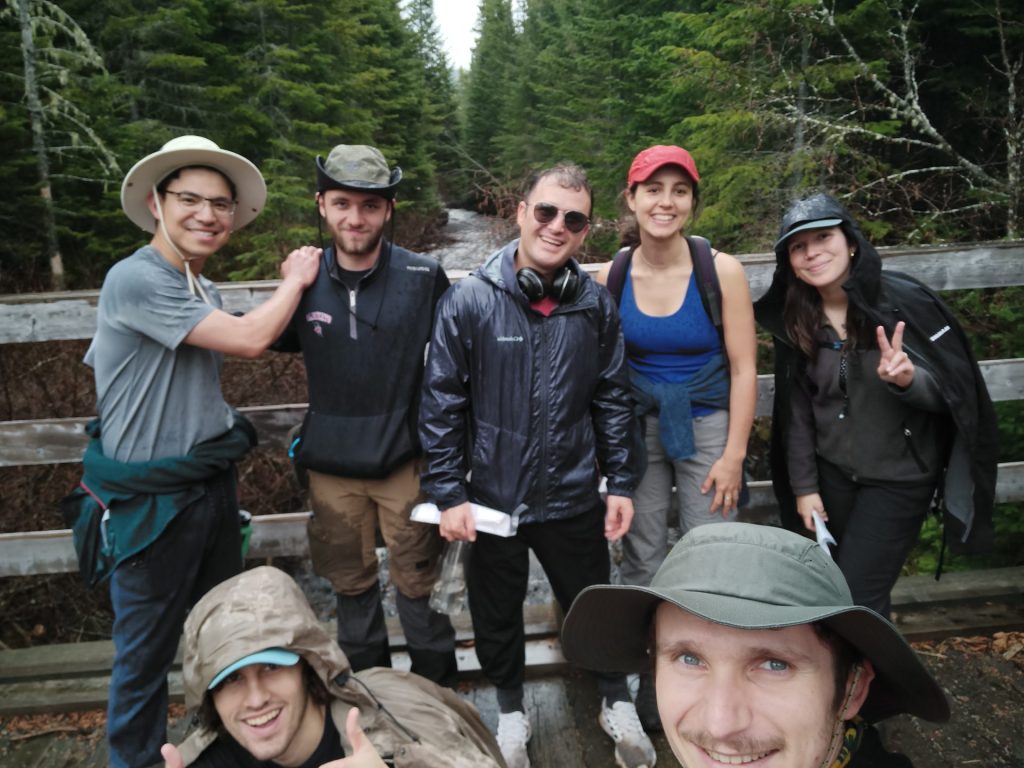
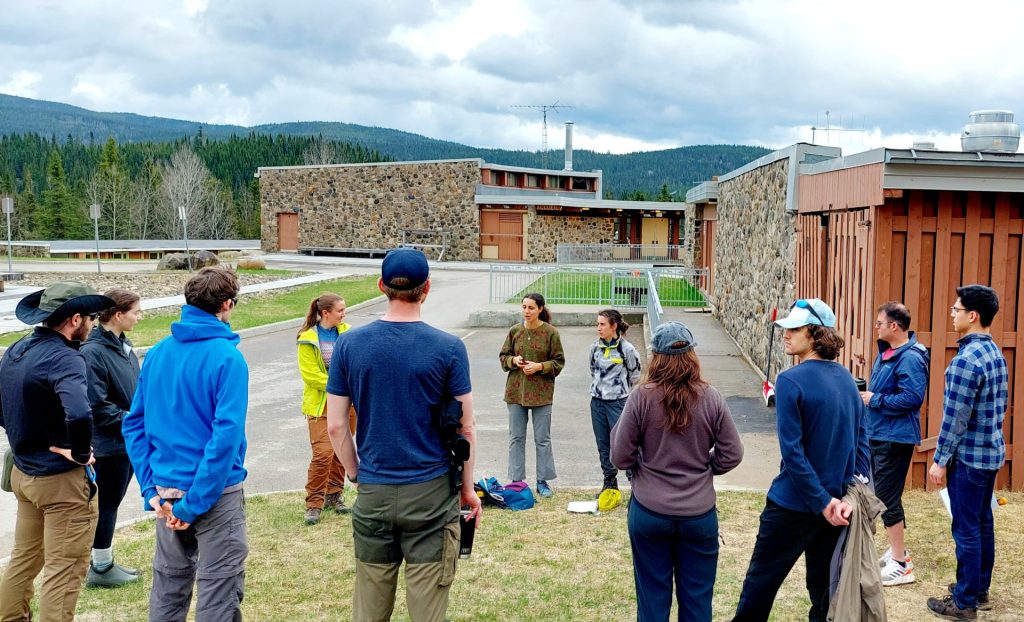
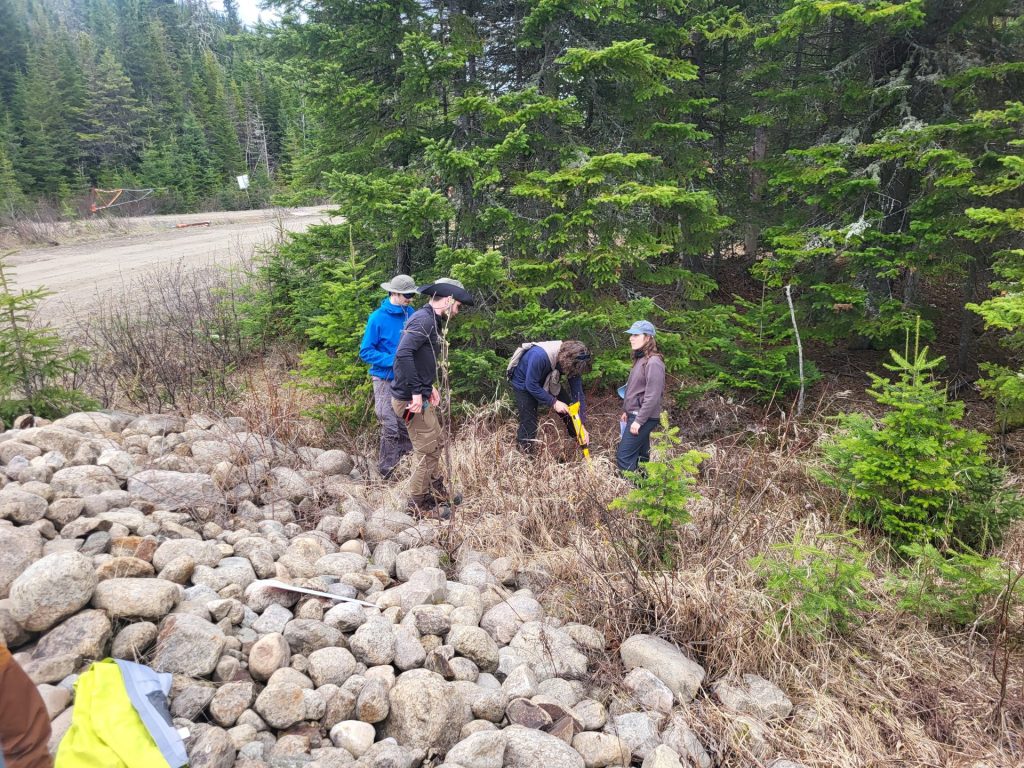
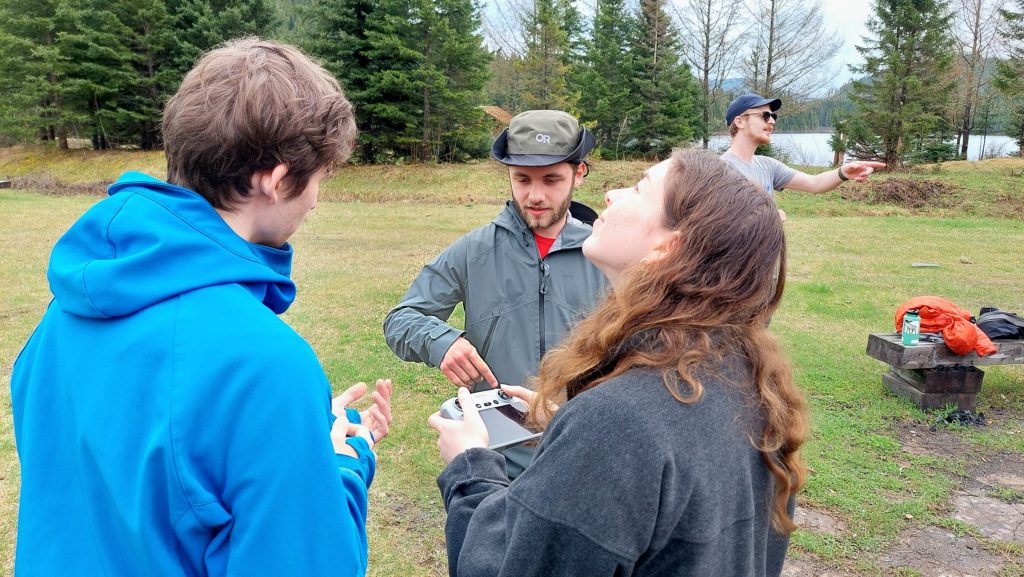
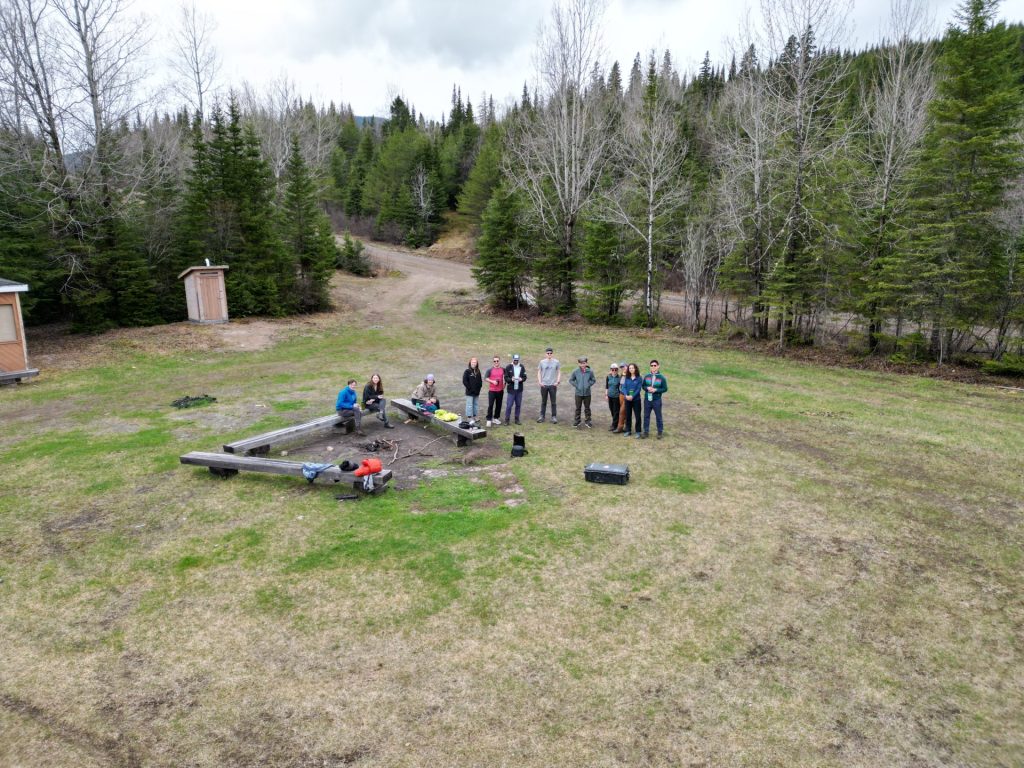
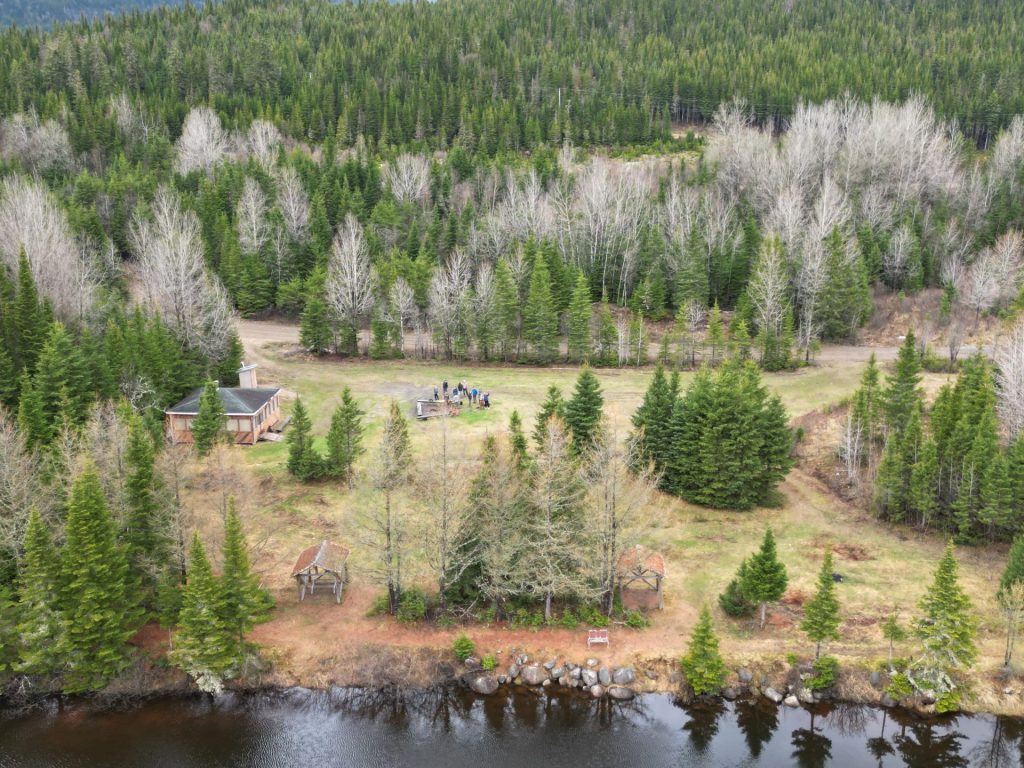
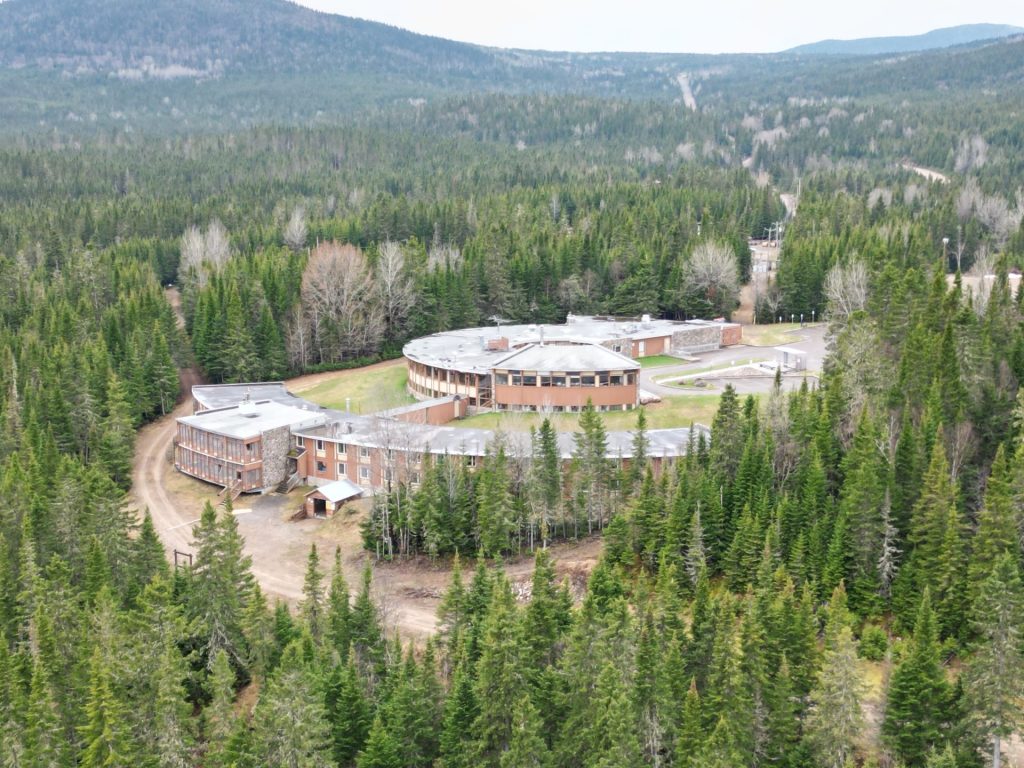
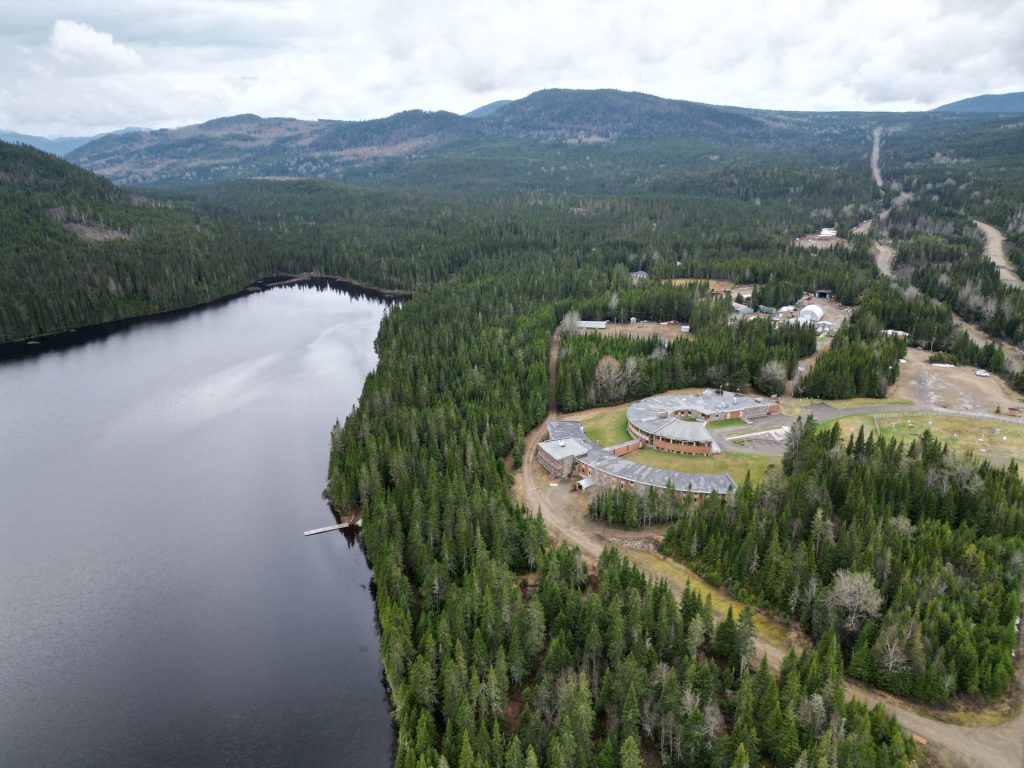
The network recently hosted a fieldwork training event at the Fort Montmorency research station of Université Laval.

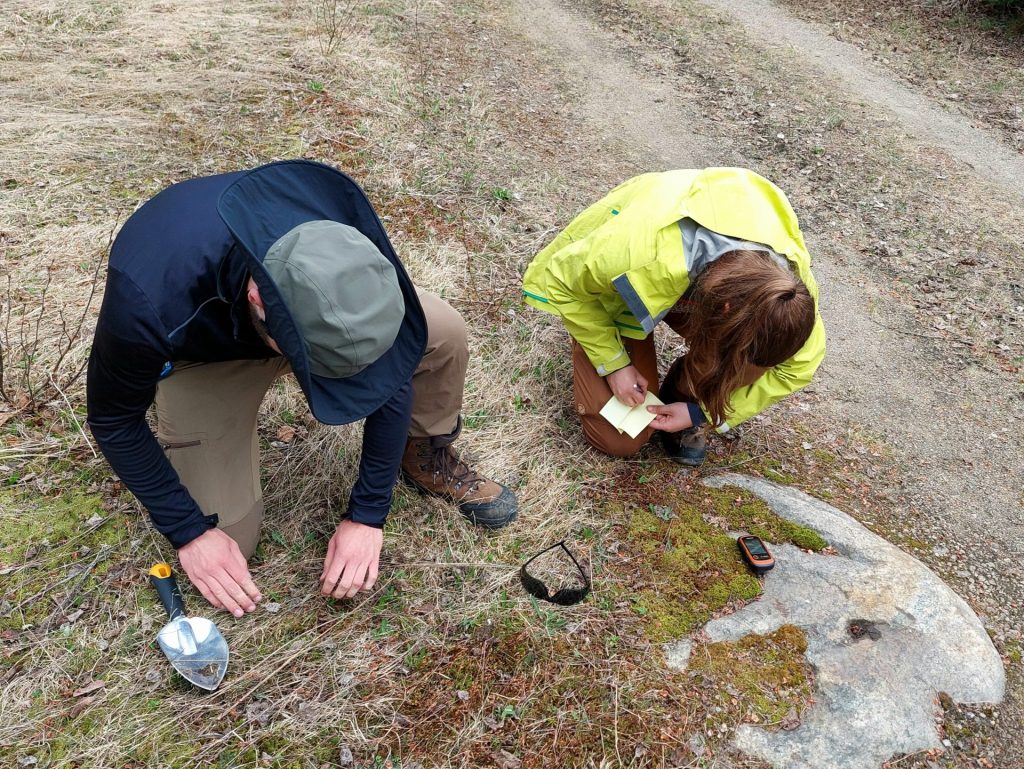
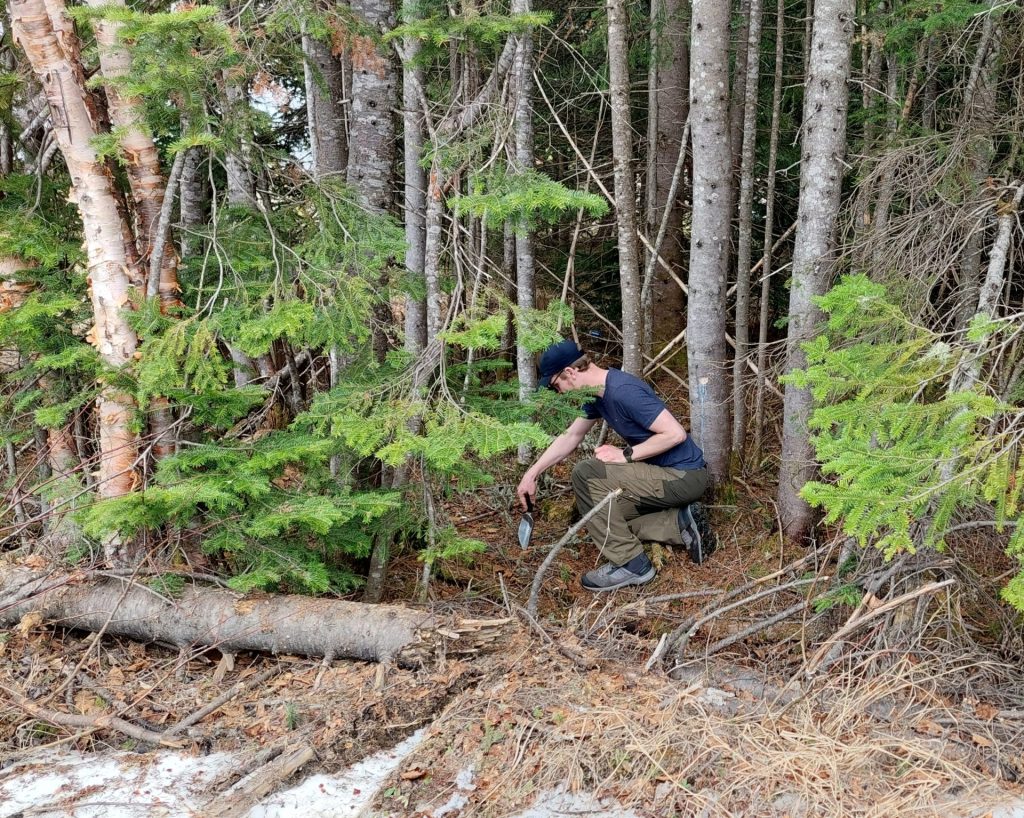
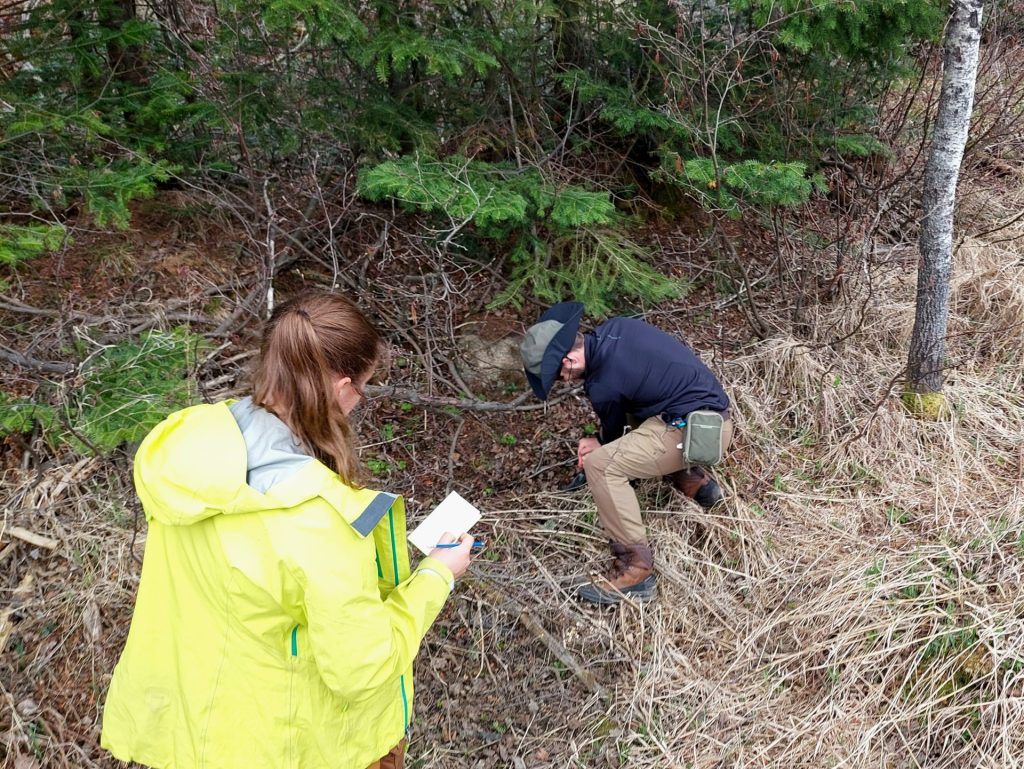
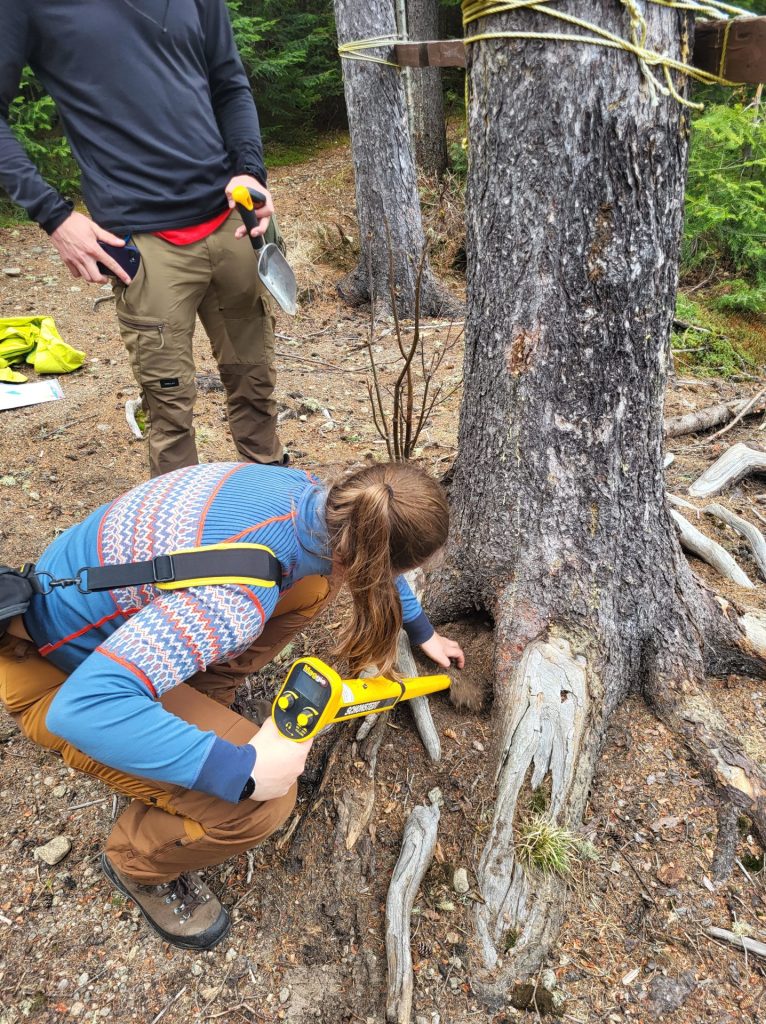
The first day was packed with exciting and valuable sessions, from navigation training by Pia Blake to hands-on installation and location of ground temperature sensors by Galina Jonat et Olivia Meier-Legault, followed by discussions about field safety and situations led by Tristan MacLean.

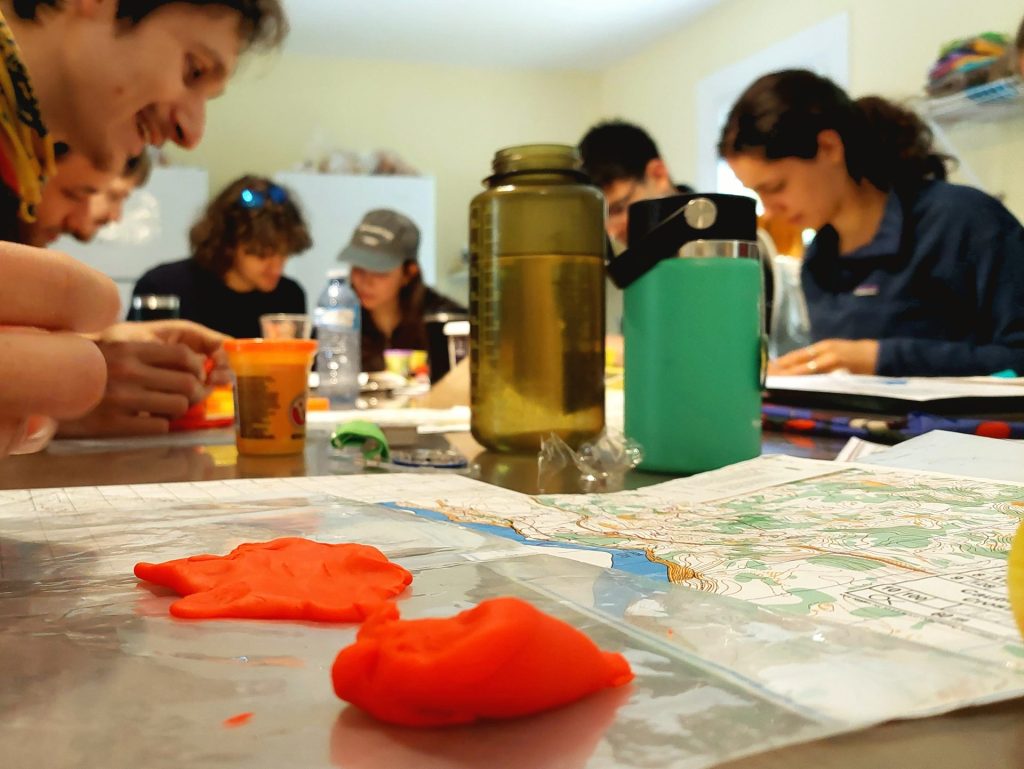
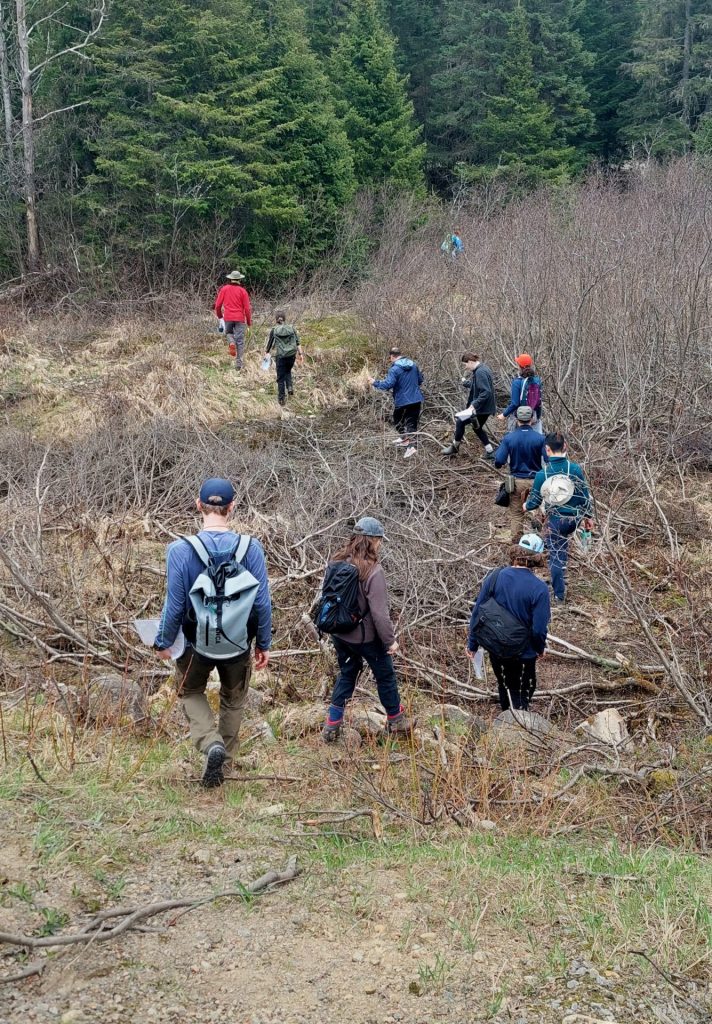
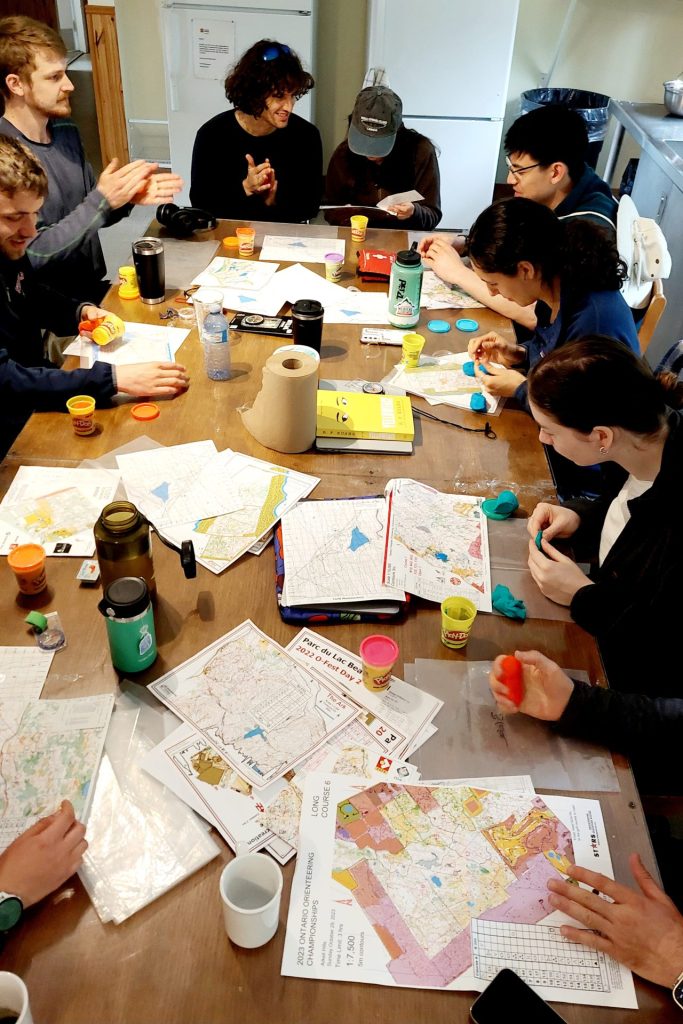
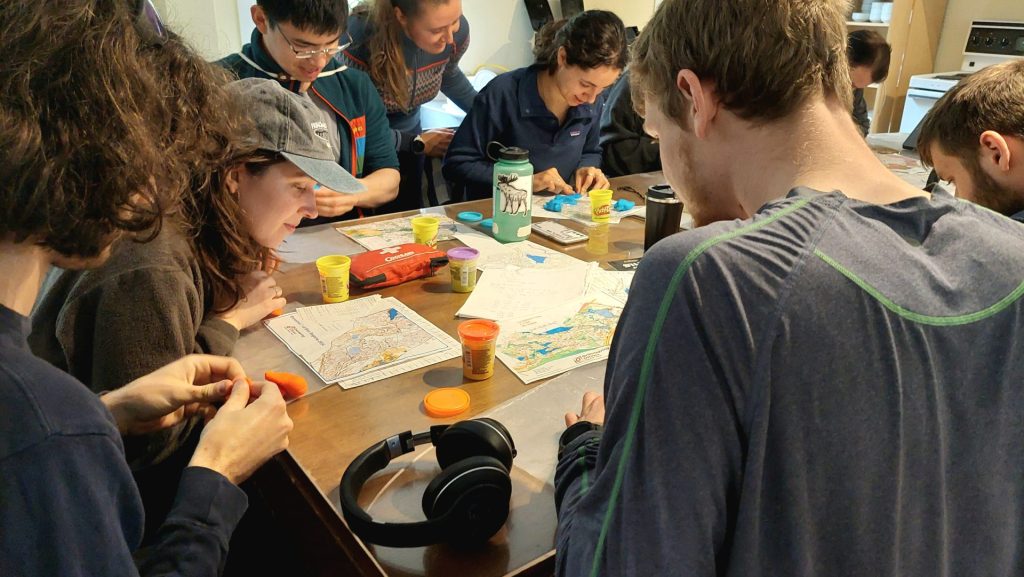
The navigation session started off with everyone creating 3D models of their topographic maps, followed by outdoor location of waypoints, on and off the trails, using maps, compass and GPS.

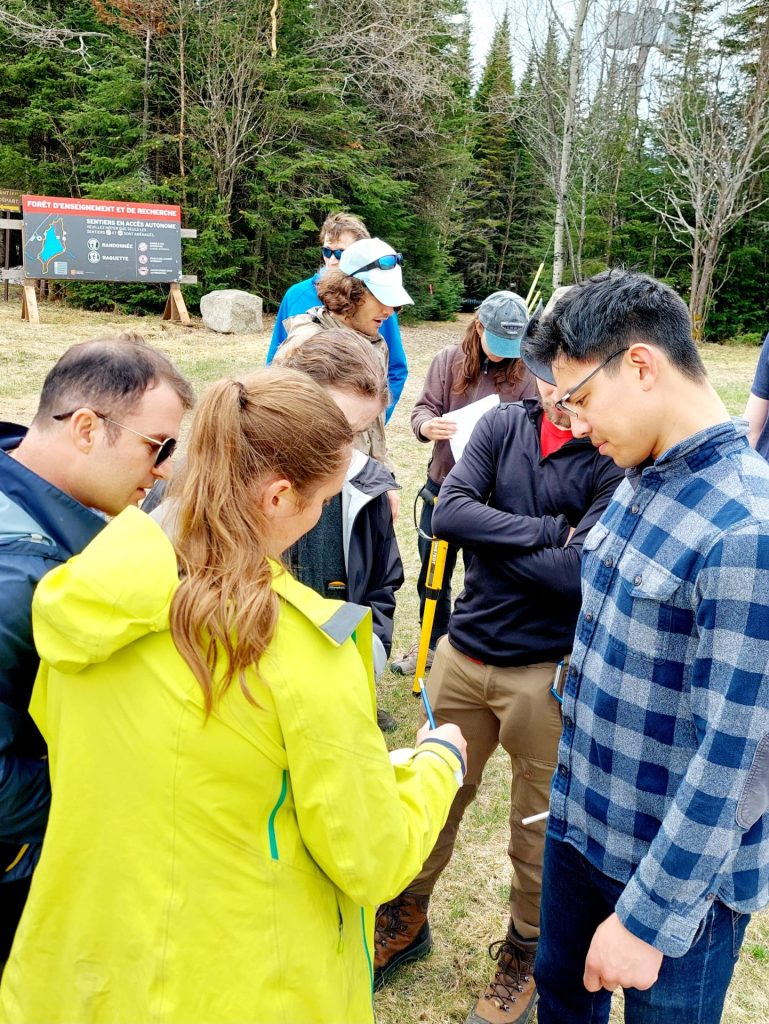
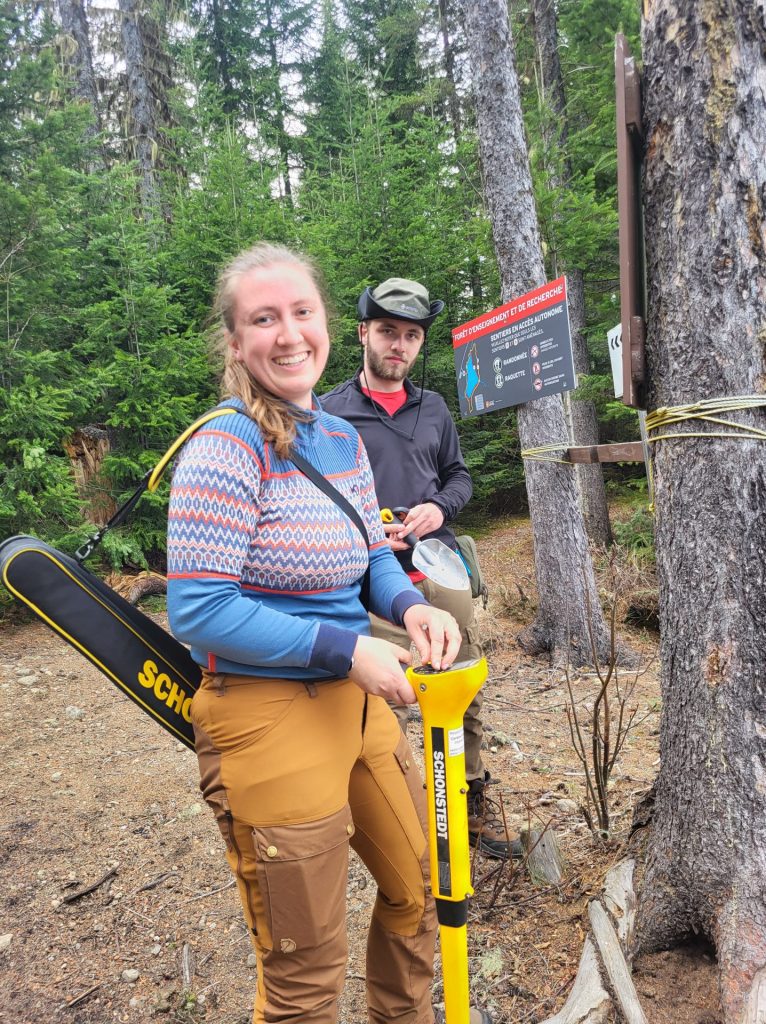
In the afternoon, after an introduction to temperature sensors and their use in permafrost terrain by Galina and Olivia, the trainees were split into two groups, to test out their abilities at finding buried sensors based on location information and the use of a metal detector to find associated nails.

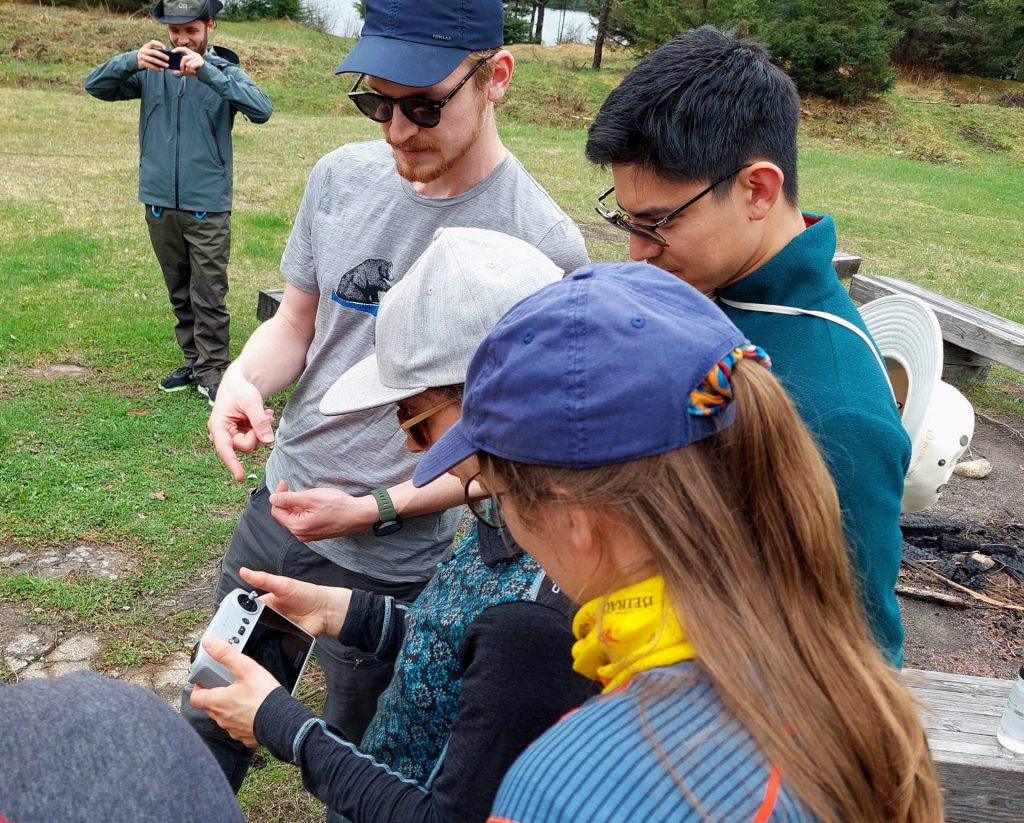
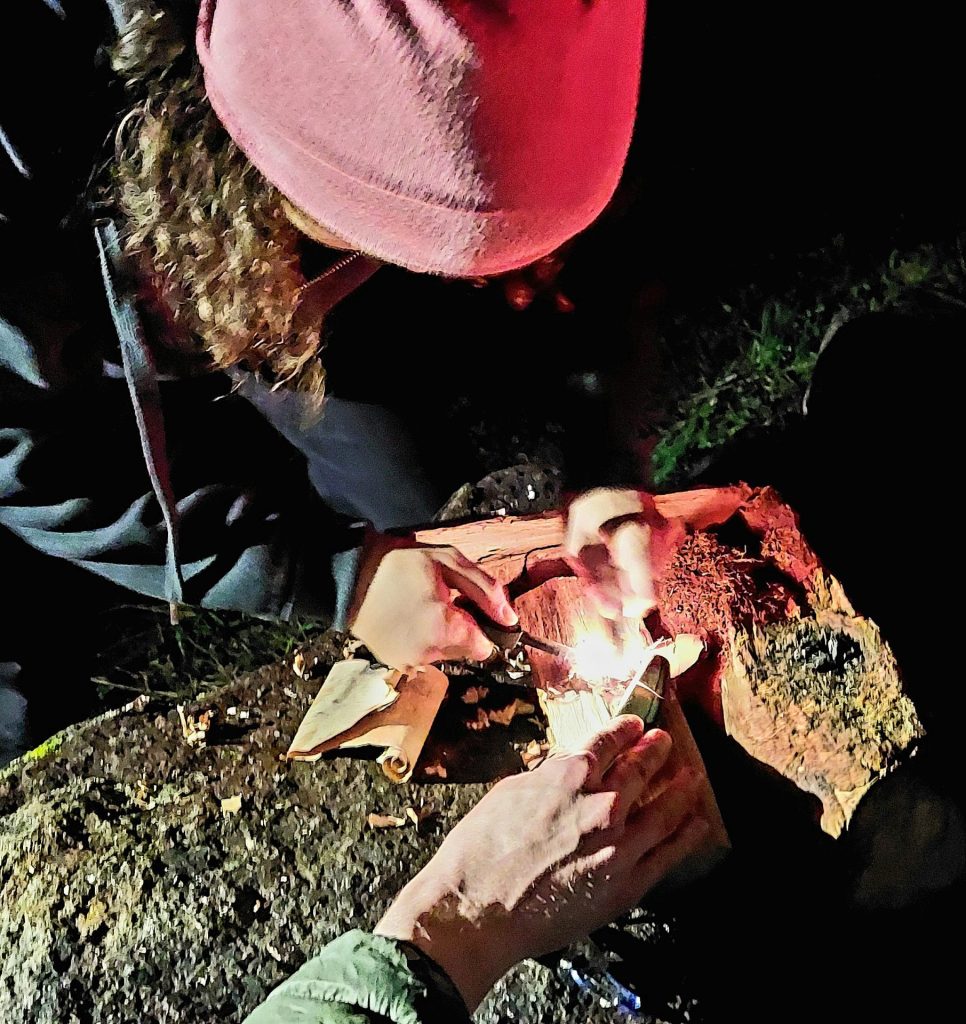
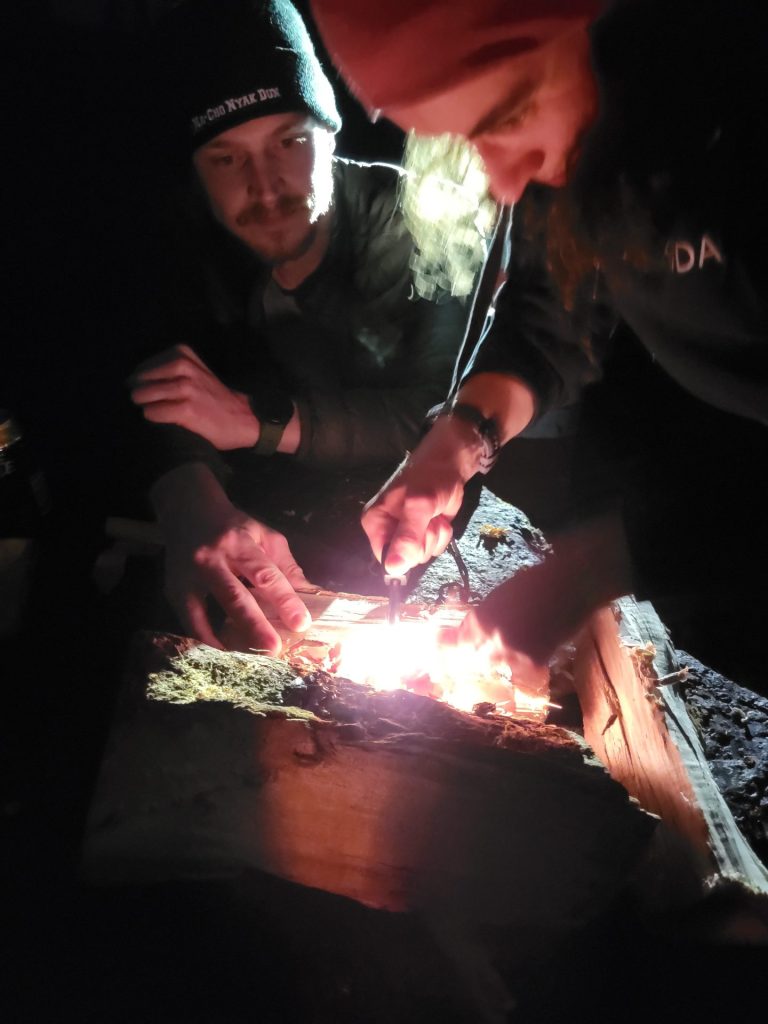
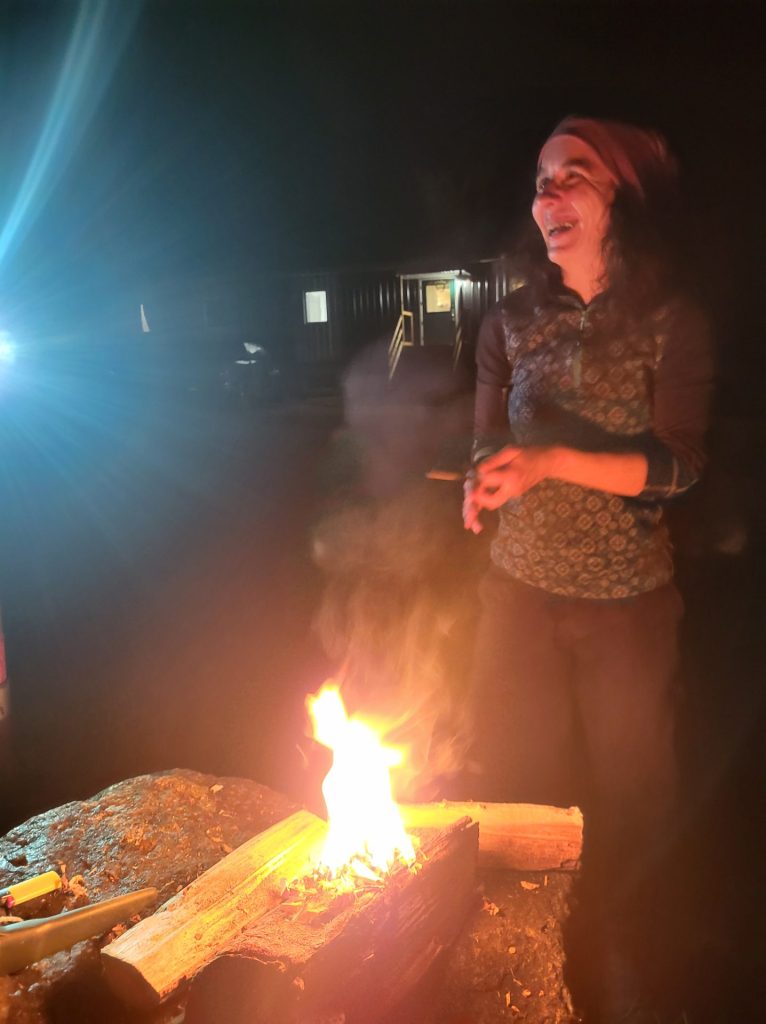
Day two was even more action packed, featuring drone flying, lectures on detecting ground ice and a competitive shelter building session followed by fire making practice with the ferro rods and some good old marshmallow toasting.

The morning featured a session on demystifying remotely piloted aircraft for field research with Frederic Brieger. Thankfully the rain held off and we were able to get out and get the drones up in the air.

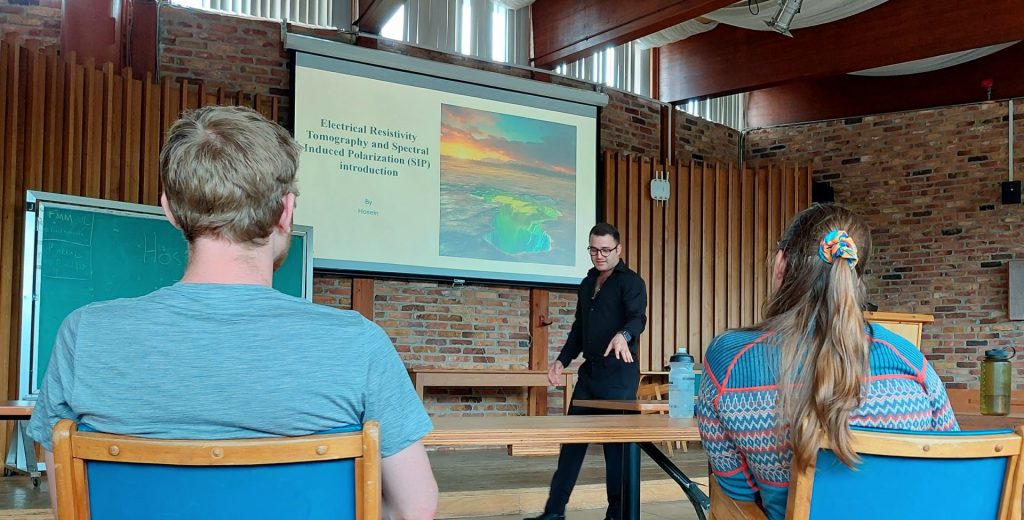
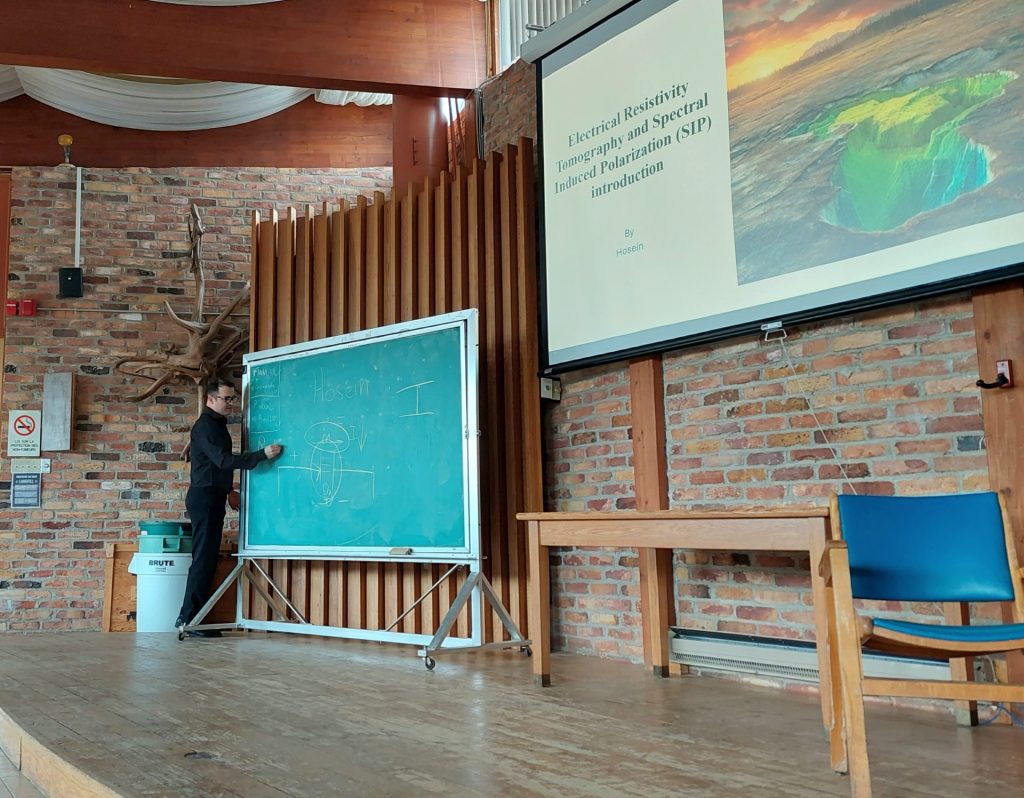
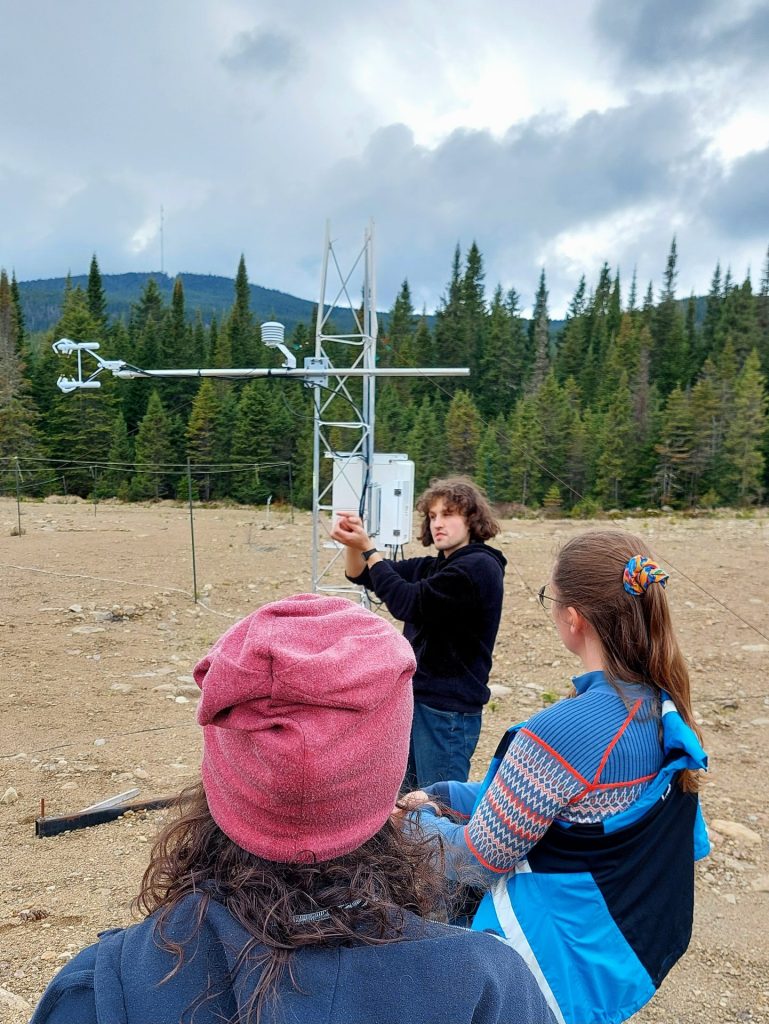
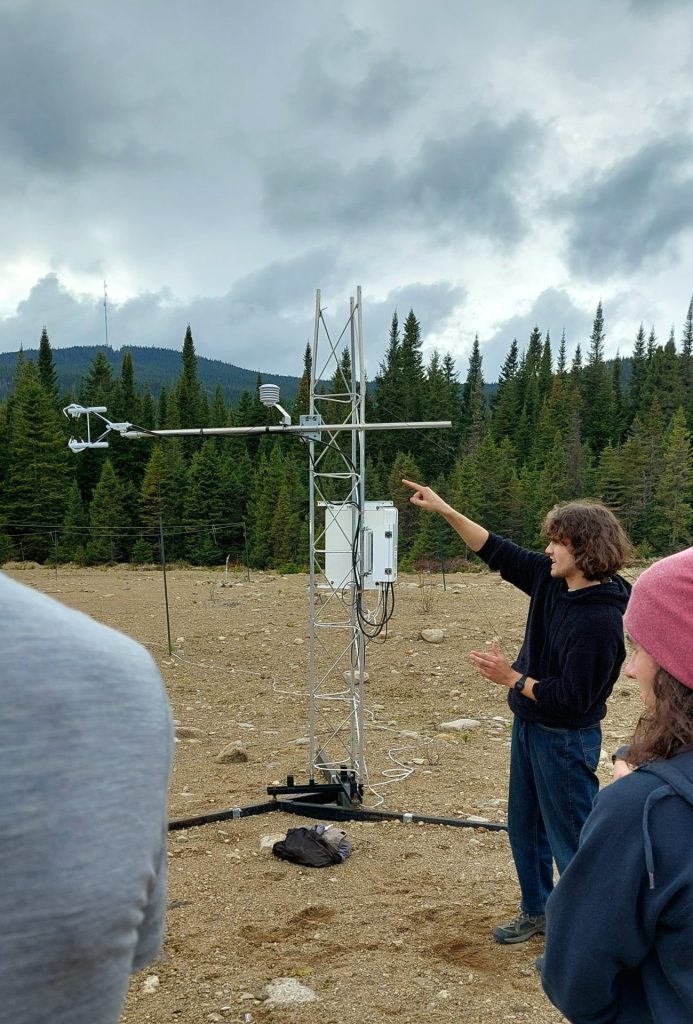
The afternoon started off with a presentation on ERT and Spectral Induced Polarization by Hosein Fereydooni, before we headed out to see the flux tower and learn about eddy co-variance with Bruno Lecavalier. The group then took part in a competitive but very friendly time-limited challenge to construct a shelter in the wild with limited resources. The session was led, and each teams efforts carefully assessed by Frederic and Galina.

The day was completed with a tricky but satisfying fire-making session using a variety of survival tools and natural kindling.

Aerial view of lush green islands and waterways surrounded by forested hills, under a partly cloudy sky. A video play button and timestamp of 42:34 are visible on the image.

Le secret des tourbières par Radio-Canada

Un reportage à Découverte de Radio-Canada avec Oliver Sonnentag.

Face au réchauffement de la planète, les scientifiques tirent la sonnette d’alarme : il est temps de prendre conscience des pouvoirs de la tourbe. D’un labo de biopharmacie en Irlande à la plus grande tourbière d’Europe, en passant par la cabane d’un piégeur et la plus vaste expérience sur le changement climatique, Le secret des tourbières nous dévoile la beauté et les merveilles des tourbières. Avec Oliver Sonnentag, à la minute 22:45.

Aerial view of a lush, green landscape with winding rivers and scattered lakes under a cloudy sky. French text below announces an episode airing Sunday, March 3, 2024, titled Le secret des tourbières.
Regarder ici: https://ici.radio-canada.ca/tele/decouverte/site/episodes/865999/tourbieres-foret-amazonie-planete
A person stands and presents to an audience, pointing at a screen displaying a presentation titled Performance of Drilling Waste Sumps, Western Arctic Canada. Several people are seated facing the presenter.

Ottawa-Carleton Northern Research Symposium

The OCSNRS is an annual student academic conference focusing on Subarctic, Arctic and Antarctic research from natural & physical sciences, social sciences, humanities and applied sciences.

This year the University of Ottawa hosted the meeting which featured a number of permafrost presentations from the network:

  • Galina Jonat – A proposed Framework for Improved Simulations of Permafrost Change.
  • Frederic Brieger – Permafrost Terrain Disturbance Mapping and Susceptibility Modeling in the Na-Cho Nyäk Ge (Stewart River) Watershed, Yukon.
  • Rae Landriau – Performance of Drilling Waste Sumps – Mackenzie Delta NT.
  • Pia Blake – Effects of Snow and Surface Material on Surface Offset of Intermediate Slopes.

Read more about the symposium here:

Eng: https://www.uottawa.ca/en/events-all/ottawa-carleton-student-northern-research-symposium-ocsnrs

Fr: https://www.uottawa.ca/fr/tous-evenements/symposium-recherche-nordique-ottawa-carleton-sernoc

A group of people wearing orange safety vests and boots examine a muddy, rocky hillside under a cloudy sky, with one person climbing the slope while others watch and explore the area.

NSERC CREATE LEAP

Taking Climate Action through Permafrost Training

“What happens in the North, doesn’t stay in the North”

Le sous-thème LEAP program aims to train tomorrow’s Leaders in Permafrost thaw and northern research by training and providing research funding to graduate students who will work alongside co-applicants or partnered universities across Canada on permafrost science and research. Undergraduate students are also welcome to apply for unfunded research opportunities alongside the program’s co-grantee and collaborators, which they can use to complete their thesis.

You can read more about the NSERC CREATE LEAP program in the feature on Carleton University’s news on experiential learning.

A section of glacier ice exposed beneath dark volcanic ash and soil, surrounded by rugged terrain and distant green hills, illustrating a mix of ice, earth, and contrasting textures.